As the UK enters a period of new financial regulations, pensioners are being urged to pay close attention to HMRC’s latest savings rule changes coming into effect in 2025. These changes could impact thousands of retirees who rely on small nest eggs and savings accounts to cover everyday expenses. For many, a potential £3,000 hit to savings may not sound like much in the broader financial world, but for pensioners living on a fixed income, it could represent the difference between financial comfort and financial strain. Understanding how these new rules work, who is affected, and what steps can be taken to protect savings is now more important than ever.
What Are HMRC’s 2025 Savings Rule Changes?
HMRC has announced adjustments to how savings interest will be taxed starting from April 2025. Currently, pensioners benefit from the Personal Savings Allowance (PSA), which allows basic-rate taxpayers to earn up to £1,000 in savings interest tax-free, while higher-rate taxpayers can earn up to £500. However, under the 2025 changes, thresholds could be revised in line with inflation adjustments and wider tax policy shifts, meaning many pensioners with modest savings may now see a portion of their interest fall under taxable income.
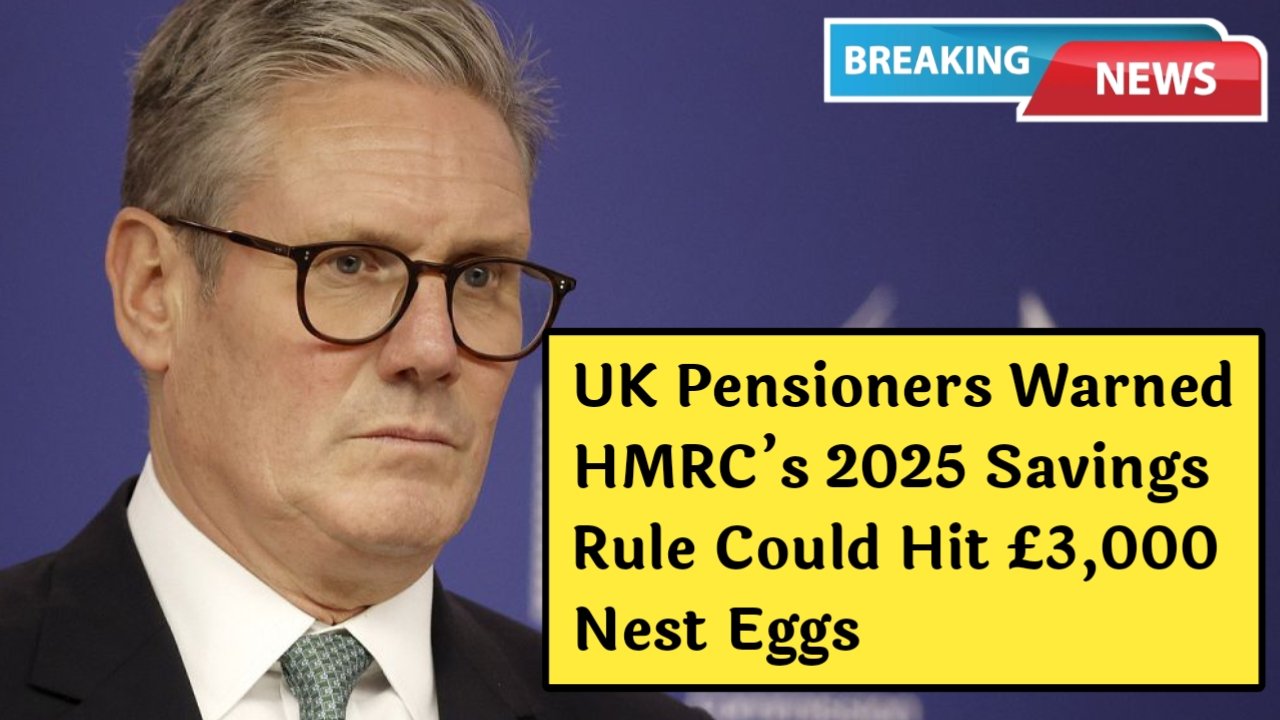
The concern for pensioners arises from the fact that even small nest eggs—around £20,000 in easy-access savings accounts—can generate annual interest that pushes them above the revised PSA limit. HMRC estimates that this could cost some pensioners up to £3,000 in additional tax liability, effectively reducing the safety net they have built over decades of careful saving.
This rule change is not just about numbers; it represents a shift in how pensioners must plan their finances. While some may not notice the impact immediately, those with savings accounts, ISAs, or fixed deposits will need to prepare for smaller returns once tax deductions are applied.
Why Pensioners Are Most at Risk
Pensioners often rely on multiple small income streams: their State Pension, private pensions, and modest savings accounts. Unlike working-age adults who may still be earning and contributing to new savings, retirees depend heavily on the money they already have. Any additional tax burden can therefore directly reduce their disposable income.
For example, a pensioner who has carefully saved £50,000 in a fixed-rate savings account could earn around 5% interest annually—approximately £2,500. Under the new rules, much of that interest may no longer fall within the tax-free allowance, leading to unexpected deductions. For individuals budgeting for essential costs such as heating, groceries, or medical expenses, even a few hundred pounds lost in tax can cause significant worry.
Moreover, the complexity of the new HMRC guidelines risks leaving many pensioners confused. Not every retiree has access to financial advice, and those who do may still struggle to understand how the new system interacts with other allowances, such as the starting rate for savings or the Marriage Allowance. This combination of vulnerability and uncertainty makes pensioners one of the most exposed groups under the 2025 savings rules.
The £3,000 Nest Egg Concern
The phrase “£3,000 nest egg hit” has become a headline figure because it represents the potential cumulative tax loss for pensioners over several years if they fall into the new taxable savings bracket. While not every pensioner will lose exactly £3,000, HMRC estimates show that the average impact for those affected could amount to a few hundred pounds annually, which over a decade adds up to thousands.
The issue is especially worrying for those who deliberately kept their savings out of risky investments to ensure security. Unlike stocks or shares, which can fluctuate, savings accounts provided certainty. The 2025 rules, however, reduce that sense of security by cutting into the guaranteed returns. For pensioners who planned to use these returns to cover rising energy bills, home maintenance, or even small luxuries, the impact feels disproportionately harsh.
How Pensioners Can Protect Their Savings
Fortunately, there are steps pensioners can take to minimise the effect of the new HMRC rules. One of the most effective is to make full use of Individual Savings Accounts (ISAs), which remain tax-free regardless of how much interest is earned. Shifting money from ordinary savings accounts into ISAs could shield a significant portion of savings from taxation.
Another strategy is staggering savings across different accounts to maximise allowances. For example, a married couple can pool their Personal Savings Allowances, effectively doubling the tax-free threshold if both are taxpayers. Additionally, pensioners should review whether they qualify for the “starting rate for savings,” which allows up to £5,000 of interest tax-free for those with low non-savings income.
It is also advisable to seek professional financial guidance. While many pensioners may hesitate due to the cost of advice, even a one-time consultation with a financial planner could help identify ways to restructure savings, potentially preventing hundreds of pounds in tax loss annually.
Wider Impact on UK Retirees
The new HMRC savings rule is part of a broader shift in the UK’s taxation landscape. With inflation driving up interest rates, the government is keen to ensure that the additional returns savers are enjoying contribute to the Exchequer. However, critics argue that pensioners are being unfairly targeted because they have fewer options to offset these changes compared to working-age individuals.
This development also comes at a time when many retirees are already struggling with the rising cost of living. Energy bills, council tax, and healthcare-related costs have all climbed in recent years, leaving pensioners feeling squeezed. For them, the loss of a few thousand pounds in savings returns over time is not just a financial inconvenience but a genuine threat to their quality of life.
What This Means for the Future
The long-term implications of HMRC’s 2025 savings rule are clear: pensioners will need to be more proactive in managing their finances. Gone are the days when simply leaving money in a bank account guaranteed peace of mind. Now, understanding tax rules, allowances, and savings products will be essential for protecting hard-earned nest eggs.
At the same time, this rule change may spark renewed debate about how the UK supports its older population. Questions will inevitably be raised about whether pensioners, many of whom have already paid a lifetime of taxes, should be burdened with further financial challenges in retirement.
As 2025 approaches, pensioners and their families should stay alert, seek advice, and ensure they are not caught off guard. By taking action early, it is possible to protect savings and reduce the risk of a £3,000 nest egg hit.
