The UK government has officially confirmed a significant increase in the minimum wage from September 2025, a move that is expected to impact millions of workers across England, Scotland, Wales, and Northern Ireland. This long-awaited rise in pay will benefit employees in different sectors, particularly those in retail, hospitality, healthcare, and part-time jobs, where wages are often close to the statutory minimum. For many households struggling with the rising cost of living, this announcement comes as welcome relief. But who exactly qualifies, how much will wages increase by, and what changes can workers expect? Let’s break down everything you need to know about the new minimum wage rules in the UK from September 2025.
What Is the New UK Minimum Wage for September 2025?
The UK minimum wage is divided into several age brackets and job categories to ensure fair pay based on worker experience and responsibilities. From September 2025, the government has confirmed that all workers aged 21 and over will be entitled to a higher National Living Wage, while younger workers and apprentices will also see meaningful boosts.
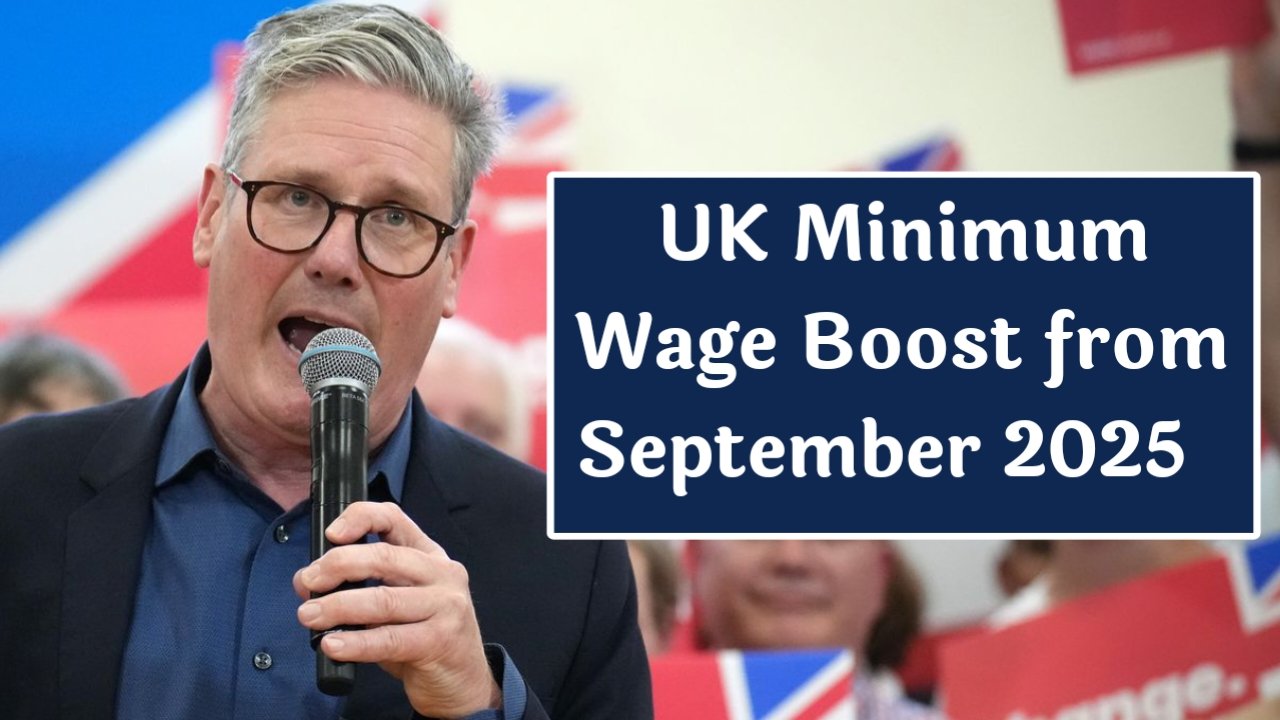
The rates are designed to close the gap between different age groups while supporting employers in balancing payroll costs. For younger workers, particularly those under 20 and apprentices, this wage increase is a crucial step in making sure early career employment feels worthwhile. The changes mean that millions will receive a direct increase in their take-home pay each month.
Why Is the Minimum Wage Increasing in 2025?
The rise is part of the government’s wider plan to tackle the cost of living crisis and ensure that wages keep up with inflation. Over the past few years, UK households have faced higher energy bills, rent increases, and food prices, all of which have placed pressure on low-income workers. By increasing the minimum wage in September 2025, the government hopes to provide relief and raise living standards, especially for those working in essential but often underpaid industries.
Additionally, the adjustment follows recommendations from the Low Pay Commission (LPC), which regularly reviews wage levels to ensure fairness and economic stability. The 2025 increase also reflects the government’s long-term goal of aligning the National Living Wage closer to two-thirds of average earnings, a target set to make work pay better for everyone.
New Minimum Wage Rates by Age and Category
The September 2025 increase introduces higher rates across all categories. Here’s a breakdown of the new minimum wage structure:
- National Living Wage (Age 21 and over): Higher than ever before, ensuring that adult workers earn a fair wage for full-time and part-time jobs.
- Ages 18–20: Substantial increase to narrow the gap with older workers.
- Ages 16–17: Boosted rates to make part-time work during school or college more rewarding.
- Apprentices: Pay rise to support those starting their careers while learning on the job.
These new rates will apply universally across the UK, regardless of the sector, ensuring fair pay for both full-time and part-time employees.
Who Qualifies for the September 2025 Wage Increase?
Qualification for the new minimum wage depends on age, job type, and employment status. Workers covered include:
- Full-time employees in any sector.
- Part-time workers, including those in hospitality, retail, and services.
- Apprentices, provided they are in approved training programs.
- Agency staff and casual workers.
- Zero-hour contract workers, as long as their average hourly earnings match the minimum wage requirements.
It’s important to note that self-employed individuals are not covered under minimum wage laws, as they set their own rates. Similarly, volunteers and some family workers may not qualify. For most employed people, however, the September 2025 changes will mean a guaranteed increase in wages.
Impact on Different Job Sectors
The rise in minimum wage is particularly impactful for industries where pay tends to be at the lower end of the scale. Hospitality workers, including those in pubs, restaurants, and hotels, are expected to see noticeable improvements in earnings. Similarly, retail staff in supermarkets, shops, and convenience stores will benefit, as many are currently paid close to the statutory minimum.
Healthcare assistants, cleaning staff, and warehouse workers are other groups likely to see direct pay increases. This not only improves financial security for workers but also helps companies retain staff in sectors where recruitment and retention have been challenging due to low pay and high demand.
How the Wage Boost Affects UK Workers
For the average UK worker on minimum wage, the September 2025 increase means more money in their pocket every month. For example, someone working a standard 35–40 hour week could see their annual income rise by hundreds of pounds, depending on their age category and job role. This extra income could help cover rising costs of essentials like food, rent, and energy bills, giving workers more breathing room in their household budgets.
Employers, on the other hand, may face higher payroll costs. While this can be challenging for small businesses, the government believes the boost will support a healthier economy by increasing consumer spending. Workers with more disposable income are more likely to spend on goods and services, strengthening local businesses in the long run.
Government Support for Businesses
The UK government understands that increasing wages can create financial pressure for employers, particularly small and medium-sized businesses (SMEs). To ease the transition, the government is expected to roll out support schemes, tax relief options, and advisory services to help businesses adjust to the new pay structure.
At the same time, ministers argue that fair wages will reduce staff turnover, boost productivity, and increase employee satisfaction, ultimately balancing out the initial costs. Employers who invest in fair pay are also more likely to attract skilled workers and improve their reputation.
Public Reaction to the September 2025 Wage Increase
Reactions across the UK have been largely positive, with trade unions welcoming the move as a step toward greater fairness in the workplace. Workers’ rights campaigners have long argued that wages need to rise in line with inflation to ensure families can make ends meet. Many see the 2025 increase as an important milestone, although some groups continue to push for a £15-per-hour minimum wage in the future.
Business groups, however, have voiced mixed opinions. While large companies often have the capacity to absorb higher wage costs, smaller businesses worry about the financial strain. Despite these concerns, the government remains firm that higher wages will ultimately benefit the UK economy as a whole.
What Workers Should Do Next
If you’re employed in the UK, it’s important to check your payslip from September 2025 onwards to make sure you’re receiving the correct minimum wage. Employers are legally obligated to comply with the new rates, and failure to do so can lead to penalties and compensation claims. Workers who suspect underpayment can contact HM Revenue & Customs (HMRC) for support and enforcement.
Additionally, employees may want to use this opportunity to review their financial plans. With higher wages coming in, setting aside some money for savings, debt repayment, or emergency funds could help secure financial stability for the future.
Conclusion
The UK minimum wage boost from September 2025 marks a significant step forward for millions of workers across the country. By raising pay across different age groups and job categories, the government is aiming to support households through the cost of living crisis while promoting fairness in the workplace. While challenges remain for employers, especially smaller businesses, the long-term benefits of a stronger workforce and increased consumer spending are clear.
For workers, this means higher take-home pay, improved job satisfaction, and greater financial security. For the UK economy, it represents progress toward fairer pay standards that reflect modern living costs. As September 2025 approaches, it’s crucial for both employers and employees to prepare for the changes and ensure that fair pay becomes a reality for all.
