For years, the debate around free TV licences for older people in the UK has been one of the most sensitive issues affecting pensioners, families, and policymakers alike. Now, in a move that has brought relief to millions, the UK Government has officially confirmed that major changes to free TV licences for over-65s will take effect from September 2025. This announcement is set to reshape how senior citizens access television, reduce financial strain on households, and restore benefits that were gradually phased out in recent years.
This development is especially significant for those aged 65 and above, many of whom rely heavily on television for news, entertainment, and social connection. With cost-of-living pressures continuing to rise, this policy shift has been welcomed by charities, campaigners, and families who have long fought for the return of free TV access for older age groups.
What Exactly Has the Government Announced?
The government has confirmed that from 1 September 2025, all individuals aged 65 and over will once again be entitled to a free TV licence. Previously, free TV licences were only available to those over 75 who were receiving Pension Credit, which excluded a large portion of older citizens who were struggling financially but did not qualify for that benefit.
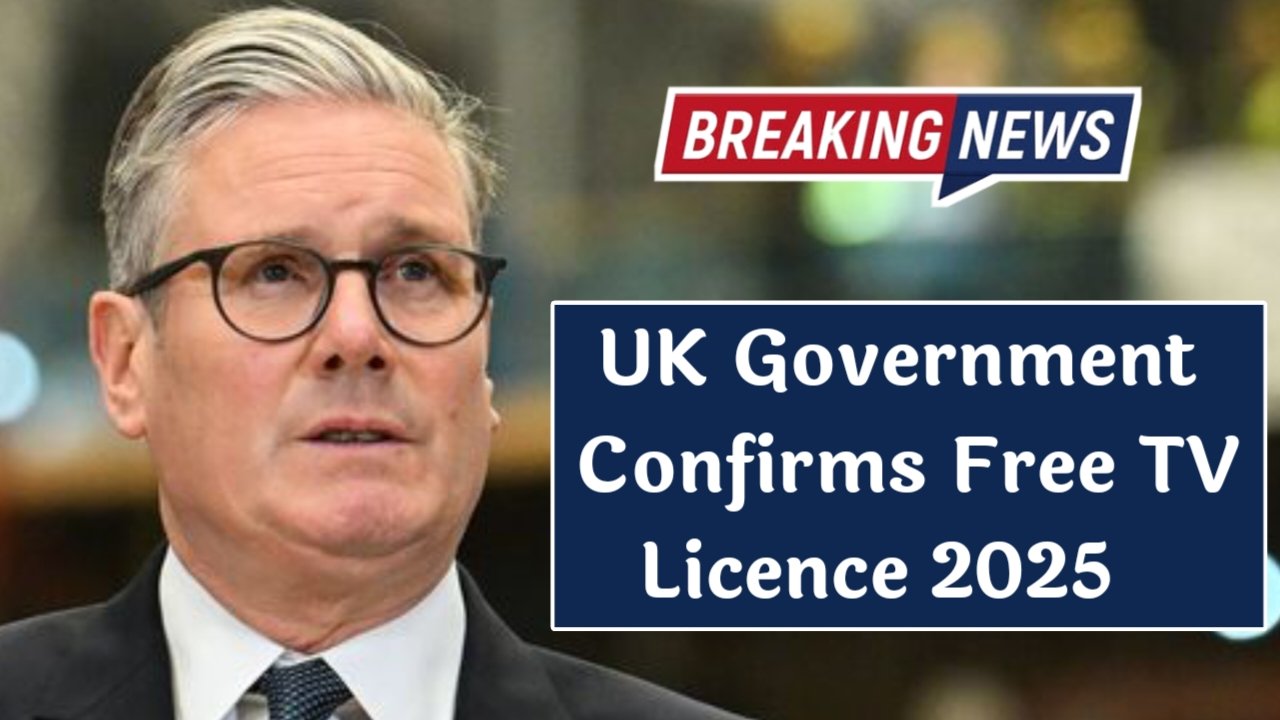
This change effectively lowers the eligibility age by ten years, meaning millions more people across the UK will benefit. The decision is being described as a restoration of fairness, ensuring that television – which remains one of the most accessible forms of information and entertainment – is not restricted by financial barriers for senior citizens.
Why Is the Age Threshold Being Lowered to 65?
For many years, campaigners argued that setting the eligibility age at 75 was unfair and outdated. With life expectancy and retirement ages shifting, a large number of Britons aged between 65 and 74 faced financial struggles but were left out of the scheme. By lowering the threshold to 65, the government is acknowledging the reality that living costs hit hardest at retirement age, when many people transition from working income to pensions.
Additionally, the change reflects growing pressure to support older people who are navigating rising energy bills, food prices, and healthcare costs. Television is not just about entertainment; for many in this age bracket, it is a vital lifeline for news, education, and companionship, especially for those living alone.
How Many People Will Benefit from September 2025?
Government estimates suggest that over 4.5 million people aged 65 and above will become eligible for free TV licences under the new rules. This is a significant increase compared to the current system, where only around 1 million pensioners over 75 on Pension Credit benefit from the scheme.
For households across the UK, this could save up to £169.50 per year – the current annual cost of a TV licence. For couples where both partners are over 65, the savings could be particularly meaningful, especially when combined with other cost-of-living measures.
Impact on Families and Communities
The announcement has been celebrated not just by pensioners but also by their families. Many households with older relatives often contribute towards bills, including the TV licence fee, and this change could help ease financial burdens. For communities, particularly rural and isolated ones, ensuring that older residents have free access to TV can also play a crucial role in reducing loneliness and improving social connection.
Charities like Age UK and other advocacy groups have long emphasised that TV is more than just a luxury – it is an essential part of daily life for older people. Whether it’s staying up to date with national news, following cultural programmes, or enjoying classic British dramas, television remains an important tool for mental health and well-being.
Political and Social Reactions
The government’s decision has sparked widespread discussion. Supporters view it as a positive and compassionate step that corrects an earlier policy many criticised as unfair. Critics, however, are questioning how the scheme will be funded, with some suggesting that it may put additional pressure on the BBC’s budget or require increased public funding.
Nevertheless, the majority public sentiment is positive. Social media has been flooded with messages from pensioners and families expressing relief that older citizens will once again have free access to television without worrying about the annual fee.
What This Means for the BBC and Licence Fee Funding
One major question raised by the announcement is how the new free TV licence scheme will be financed. In recent years, the BBC was tasked with covering the cost of free licences for over-75s, a move that led to significant financial strain. However, this time, the government has indicated that it will provide direct funding support to ensure that the BBC’s programming quality and services are not negatively impacted.
This reassurance is critical, as the BBC plays a central role in the UK’s cultural and informational landscape. By taking responsibility for funding, the government aims to strike a balance between supporting pensioners and protecting the BBC’s financial stability.
When and How to Apply for the Free TV Licence
The rollout of the new scheme will officially begin on 1 September 2025. Eligible individuals – anyone aged 65 and above – will be able to apply directly through the TV Licensing website, by phone, or by post. The government has promised a simplified application process to avoid confusion and delays.
For those who are already over 75 and receiving free TV licences under the current system, the transition will be automatic, meaning no extra paperwork will be required. For those turning 65 after September 2025, free licences will be available immediately upon reaching the qualifying age.
Looking Ahead: What Does This Mean for Pensioners?
For pensioners across the UK, the confirmation of free TV licence changes represents more than just a financial saving. It is a recognition of the contribution older generations have made and an effort to ensure dignity and comfort in later life. With television remaining a central part of daily routines, this move signals a renewed commitment to supporting older citizens during challenging economic times.
Many expect this change to spark further conversations about how the UK supports its ageing population, particularly in areas like healthcare, transport, and digital access. The TV licence change could be the beginning of a broader shift towards strengthening the safety net for seniors.
Conclusion
The UK Government’s decision to extend free TV licences to everyone over 65 from September 2025 is a landmark move that will positively impact millions of households. It offers direct financial relief, strengthens social inclusion, and acknowledges the needs of older citizens in today’s economic climate.
While questions remain about long-term funding and sustainability, the immediate outcome is clear: millions of pensioners will enjoy free TV access once again, bringing both comfort and financial ease. For families, communities, and campaigners who have long fought for this change, it is a major victory and a welcome sign of government responsiveness to public concerns.
