Universal Credit claimants across the United Kingdom are set to receive a major financial boost as the Department for Work and Pensions (DWP) has officially confirmed a £1,200 bonus scheme. This update is already creating a wave of anticipation among low-income families, unemployed individuals, and working claimants who rely on Universal Credit to make ends meet. With the cost of living crisis still putting immense pressure on households, this bonus is being hailed as one of the most significant financial support measures in recent years. In this article, we break down the details of who qualifies, how the scheme works, and when people can expect to receive this payment.
What the £1,200 Bonus Means for Universal Credit Claimants
The £1,200 bonus is designed to act as a top-up reward for those who are already claiming Universal Credit and meet certain eligibility requirements. Unlike standard monthly payments, this bonus will not be given automatically to all claimants. Instead, it is linked to a specific savings and support programme that the DWP has encouraged benefit recipients to use. For many struggling with rising food, energy, and housing costs, this one-time cash boost could make a huge difference, especially with winter approaching when household bills typically rise.
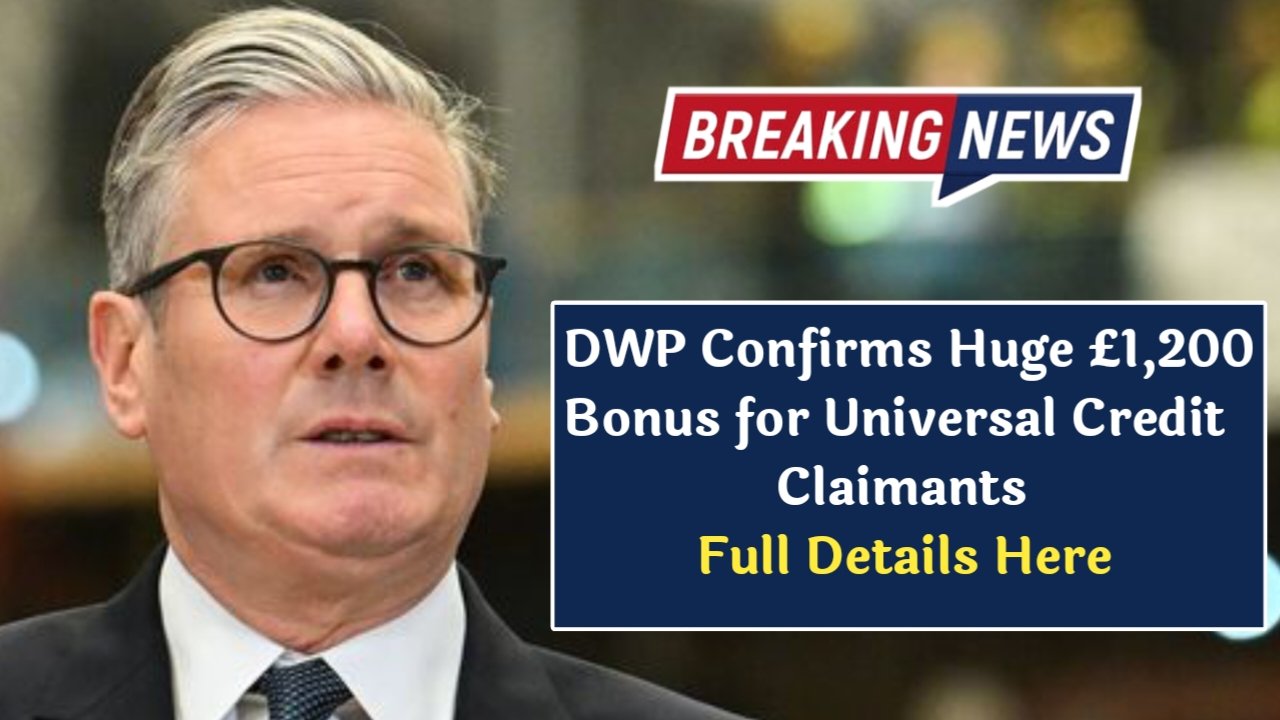
The payment is not just about offering immediate financial relief; it also aims to encourage claimants to become more financially independent by promoting saving habits. By rewarding individuals who actively engage in improving their financial stability, the government hopes to reduce long-term dependency on welfare while still ensuring that people get the support they need right now.
Who Is Eligible for the £1,200 Bonus?
Not every Universal Credit claimant will automatically receive the £1,200 bonus. According to DWP guidelines, the scheme is closely tied to the Help to Save programme, which has been available to people on low incomes for several years. To qualify, claimants must be on Universal Credit and earning above a certain income threshold, or receiving Working Tax Credit. This ensures that the support is directed towards people who are making efforts to work or save while still needing government assistance.
The eligibility rules are clear: participants can open a Help to Save account through the government’s official website or HMRC, and by saving as little as £1 up to £50 per month, they become entitled to a generous government bonus. Over the course of four years, the total government contribution can reach up to £1,200, which is why this scheme is now being widely promoted as a “Universal Credit bonus”. This makes it one of the most rewarding government-backed savings plans currently available for benefit claimants in the UK.
How the Help to Save Scheme Works
The Help to Save scheme has been specifically designed to encourage people on Universal Credit to save small amounts regularly, with the government offering a 50% bonus on what they put aside. For example, if someone saves £50 a month for two years, they would have £1,200 in savings, and the government would add an extra £600 bonus, making their total £1,800. If they continue saving for another two years, they could receive another £600 bonus, bringing the grand total of government contributions to £1,200.
This structure means that claimants are not just receiving a one-off payment but are actively building long-term savings. The bonus is flexible, too, because savers can withdraw money from their account whenever they need it without losing eligibility for future bonuses. This balance of immediate access and long-term rewards makes it especially attractive for families juggling everyday expenses with the desire to plan for a more secure future.
Why the Bonus Is a Game-Changer During the Cost of Living Crisis
With food prices, utility bills, and rent at record highs, many households on Universal Credit are struggling to keep up. The confirmation of this £1,200 bonus has been described as a lifeline for thousands of claimants who often find themselves forced to choose between heating and eating. By encouraging savings while also offering significant cash rewards, the scheme not only provides relief but also helps people feel more financially in control.
Charities and financial experts have also praised the move, saying that it addresses one of the biggest challenges faced by low-income families: the inability to build emergency savings. For many, even a small unexpected expense such as a broken washing machine or a school trip for their children can push them further into debt. With the DWP-backed savings bonus, families now have a real opportunity to create a safety net.
When and How Claimants Will Receive the Payment
The £1,200 bonus is not a lump-sum payment made on a fixed date to all claimants. Instead, it is paid out in stages based on how much money has been saved through the Help to Save account. After the first two years, savers receive their first bonus directly from the government, and if they continue saving for another two years, they receive the second bonus. This means that the earliest claimants can access the payment is after their initial two-year saving period, with the potential to receive the full £1,200 after four years.
For those opening an account now, this means starting with small, manageable savings and building towards that large bonus in the coming years. The government has made the process simple and digital, with everything managed through the official HMRC website, ensuring security and transparency for all participants.
Expert Reactions and Public Response
Financial experts have widely welcomed the DWP’s confirmation of the bonus, calling it one of the most practical schemes ever introduced for Universal Credit claimants. Unlike temporary cost of living payments, which are issued and then forgotten, the Help to Save bonus encourages long-term planning and personal responsibility while still delivering tangible rewards.
On social media, many claimants have expressed relief and excitement about the scheme, with some saying it is the first time they feel motivated to put money aside. Others have highlighted the fact that the scheme could help reduce reliance on payday loans and credit cards, which often trap low-income households in a cycle of debt.
Final Thoughts
The confirmation of a £1,200 bonus for Universal Credit claimants is a clear signal that the government is serious about supporting struggling families while promoting financial resilience. By linking the reward to the Help to Save scheme, the DWP is ensuring that people not only get immediate relief but also develop better money management habits for the future. For millions of claimants, this bonus could mark the beginning of a more stable and secure financial journey.
If you are a Universal Credit claimant and want to benefit from this scheme, it is worth checking your eligibility today and opening a Help to Save account as soon as possible. With disciplined saving, the £1,200 bonus could soon become a reality for you and your family.
